

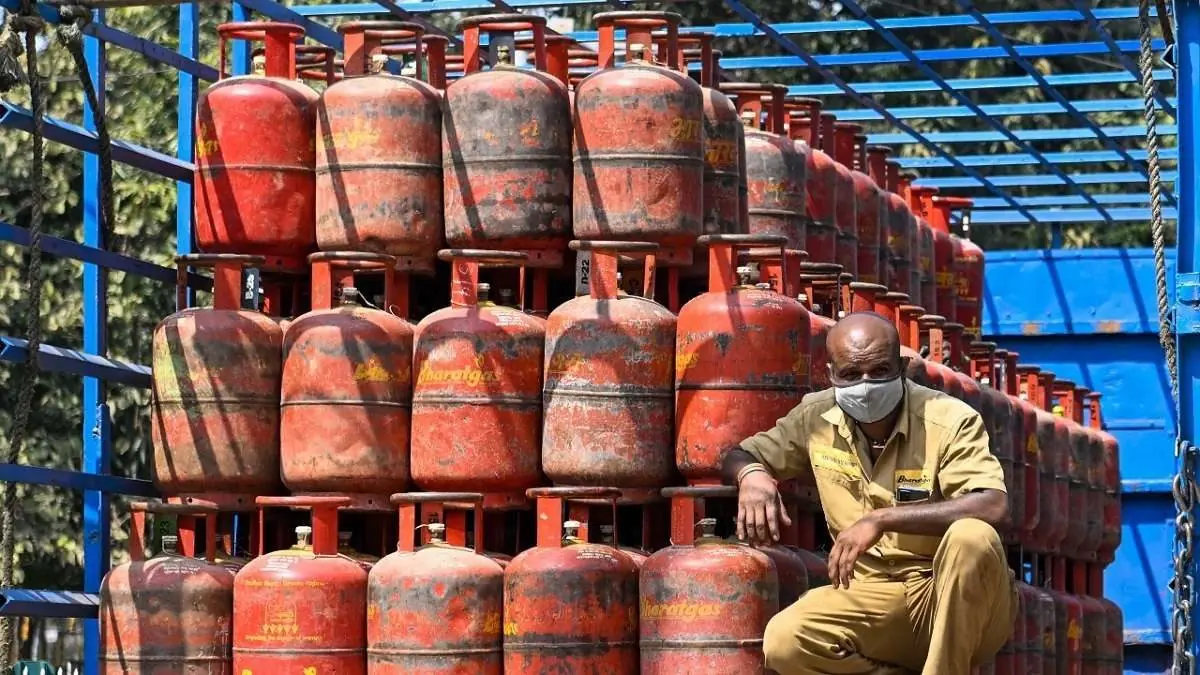
Commercial LPG Price Hike Jan 2026: 19kg Cylinder Up by ₹111; Domestic Rates Unchanged
New Year’s Day often brings a mild hangover, but for restaurant owners, the pain this year is financial. From Friday, January 2, 2026, running a commercial kitchen has suddenly become more expensive.
Home cooks don’t have much to worry about—for now. But in the commercial sector, the impact is immediate. Whether it’s your neighborhood dhaba or an upscale café, fuel costs have climbed overnight, and everyone in the food business is feeling it.
The “Blue Flame” Update: On the Ground
Oil marketing companies (OMCs) moved fast, rolling out revised prices on January 1, 2026—and the increase isn’t easy to ignore.
- Major Increase: The price of a 19 kg commercial LPG cylinder has gone up by ₹111.
- Revised Cost: In Delhi, one commercial cylinder now costs ₹1,691.50.
- Impact on Small Vendors: Even the 5 kg “Free Trade” (FTL) cylinders, commonly used by street food sellers, are costlier by ₹27.
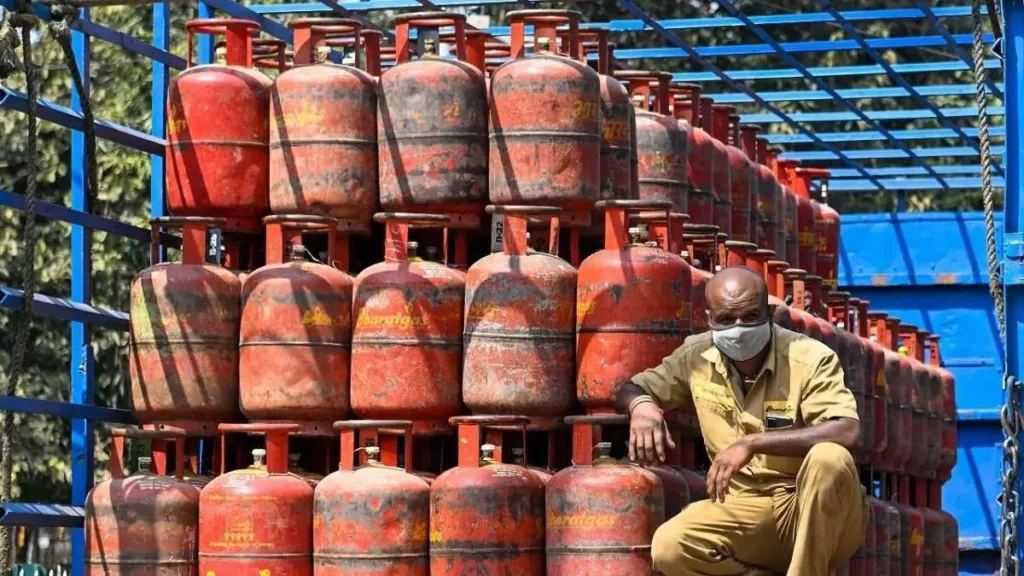
The “Safe” Zone: Domestic Stability
And here’s the kicker: the government is keeping a very tight lid on domestic prices.
- 14.2 kg Cylinder: No change. It’s staying stable, largely thanks to that ₹30,000 crore compensation package the Cabinet cleared back in August to insulate households from global gas volatility.
- The Strategy: It’s an ongoing situation where the government is essentially subsidizing the “home fire” while letting the “commercial fire” track closer to international market rates.
The Ripple Effect
Field notes from the ground suggest this isn’t just about gas.
- Menu Prices: Expect a “New Year surcharge” on your food apps. When gas goes up by ₹111, that cost eventually finds its way into your Butter Chicken or Paneer Tikka.
- Logistics: With the Rupee currently sitting weak against the Dollar (around ₹85.40 today), importing Liquefied Petroleum Gas is getting pricier for the OMCs. This hike is basically them passing that pain forward.
Basically, the “Domestic vs. Commercial” gap is widening. The government is protecting the common man’s budget at the expense of the service industry’s margins.

